

It’s an easy question to ask, but not quite as simple to answer. Uganda has a rich variety of regional food traditions, and travellers quickly notice how the cuisine changes from place to place. The country’s geography and climate vary widely, and so do the crops that thrive in each region — which means the food on your plate often tells the story of the land. From bustling local markets to fresh, seasonal ingredients, tasting Ugandan cuisine is one of the most memorable parts of visiting the country.
When you travel with Alakara, you’ll taste delicious local dishes from the places we visit. This post gives you a small glimpse — but really, Ugandan food is something you should taste and experience for yourself!
Cooking Begins at the Market
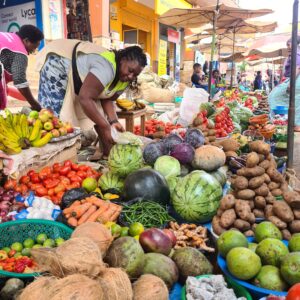
In Uganda, fresh ingredients are a way of life. Food should be cooked well and served fresh, and the market is where everything starts. The meat you buy was often slaughtered that same morning, and the stalls are overflowing with tropical fruit and vibrant vegetables — pineapples, mangoes, avocados, tomatoes, greens, and more than most travellers can name. Across Uganda, local markets are the heart of the food culture, and tasting fresh, seasonal ingredients here is a highlight for anyone exploring the country.
What’s on the Everyday Menu?
Most people in Uganda eat two hot meals a day, along with sweet tea and a little something on the side in the morning and afternoon. These everyday Ugandan meals always combine staples from local farms with sauces made from beans, vegetables, or meat, reflecting the regional food traditions across the country.
A typical hot meal always has at least two parts:
- The staples — usually one or more of the following:
- boiled plantains (matooke)
- posho (a firm maize-flour porridge)
- sweet potatoes
- cassava
- chapati
- rice
- or a thick porridge made from millet, sorghum, cassava — or a mix of them.
- The “sauce” — how Ugandans refer to everything that goes with the staples:
beans, peas, meat, fish, leafy greens, vegetables, and similar dishes.
A proper meal must include at least one item from each group!
So Many Bananas, So Many Ways
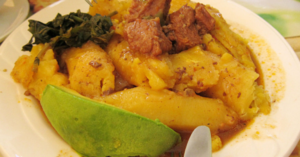
Uganda is famous for its incredible bananas, a staple of Ugandan food culture, and no nation on earth eats more of them: on average, close to one kilo per person per day! The variety is astounding — plantains for cooking (matooke), sweet bananas for snacking, and gonja, best grilled, fried, or made into chips. Bananas appear in meals across Uganda, from the south to the west, showcasing how regional ingredients shape local cuisine.
Food Traditions Across the Country
In southern and western Uganda, bananas dominate the diet. As you travel north, the climate and food traditions shift, with communities relying more on sweet potatoes, cassava, millet, and sorghum — ingredients that thrive in the northern regions. These changes highlight the diversity of Ugandan cuisine and the way geography shapes what people eat.
Groundnuts – More Than a Snack
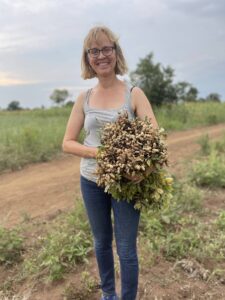
Groundnuts (or peanuts) are used for far more than snacking. They’re ground into creamy peanut butter, added to sauces, or cooked with meat and vegetables. One local favourite is dried beef in a rich groundnut sauce. Fresh groundnuts can be boiled, roasted, or salted for a snack — often enjoyed alongside the sweet tea that is part of everyday Ugandan food.
In some regions, sesame is also grown, and when sesame seeds are blended with groundnuts to make a type of nut butter, the result is absolutely delicious.
Ugandan Party Food
A Ugandan celebration isn’t complete without a generous buffet — the more dishes, the better! Typical celebratory Ugandan food includes rice, matooke, potatoes, chapati, beef in groundnut sauce, beef in tomato gravy, grilled meat, chicken, fish, peas, beans, and a wide selection of vegetables. Festivals and gatherings across Uganda highlight the richness of local cuisine.

Karibu omeesa!
Welcome to the table!
Tempted to Taste Uganda?
We create all kinds of trips across Uganda, giving you the chance to explore not only its landscapes but also its diverse food culture. From local markets to regional dishes, tasting authentic Ugandan cuisine is an essential part of any visit. Get in touch to plan your adventure and discover the flavours of Uganda with Alakara.